assessment
-

Introduction Globalisation creates a continual, reforming pressure on education. One of the most persistent and complex processes that we as educators are witnessing is the digital divide, or the unbalanced distribution of access and participation in the digital world. Although discussions of digital inequality have existed since home computing moved online in the 1990s, Hampton…
-
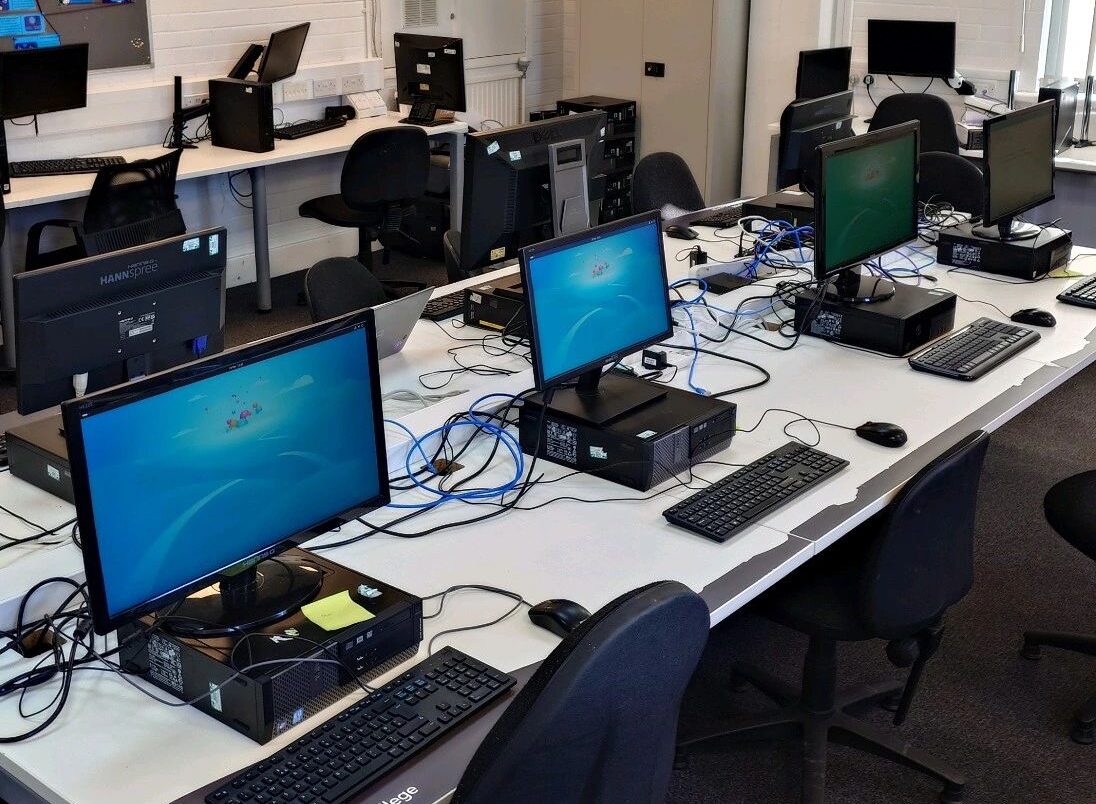
Introduction From March-May 2025 T-Level Digital students will be undertaking their occupational specialism assessments, as a lecturer delivering the Digital Support Services (herein DSS) OS I have been up to my ears in administrative and logistical conundrums of how best to run this beast of an assessment window. This post however will not focus on…
-

With the looming opening of the first occupational specialism assessment window for my T-Level Digital Support Services students nearing, I’ve taken a moment to reflect on how significantly the options for computing education have changed and diversified since I completed my Level 3 IT Practitioners course back in 2012. This reflection was partly spurred by…
-

The driver-navigator technique, underpinned by the identifiable victim effect and Vygotsky’s zone of proximal development, utilises collaborative learning to effectively support T-Level Computing students in cementing their understanding of Windows infrastructure.
-
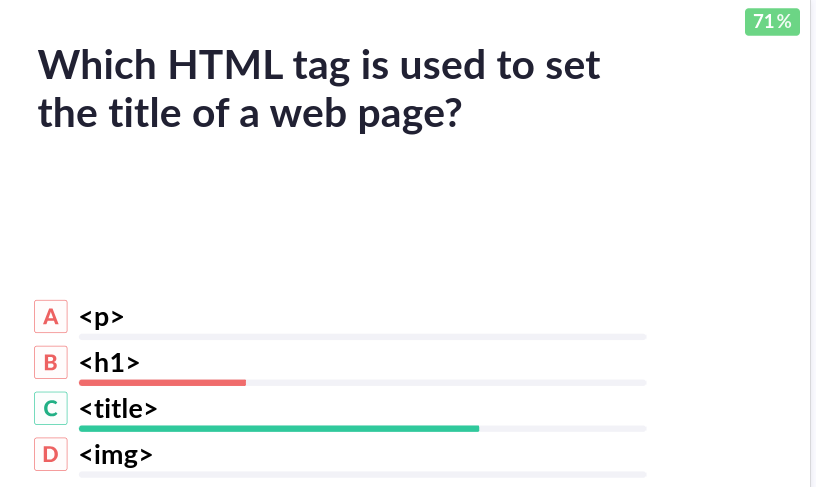
Plickers is an amazing tool for assessing understanding in the classroom in a very unique way. Think Mentimeter but with individual answer tracking for each student.
-

Current arguments for an exclusively examination-based education prevalent in England and contrast it with the variety of assessment techniques employed in the Flanders region of Belgium